Blog ·
Why Design-Build Is Better Than Traditional Construction
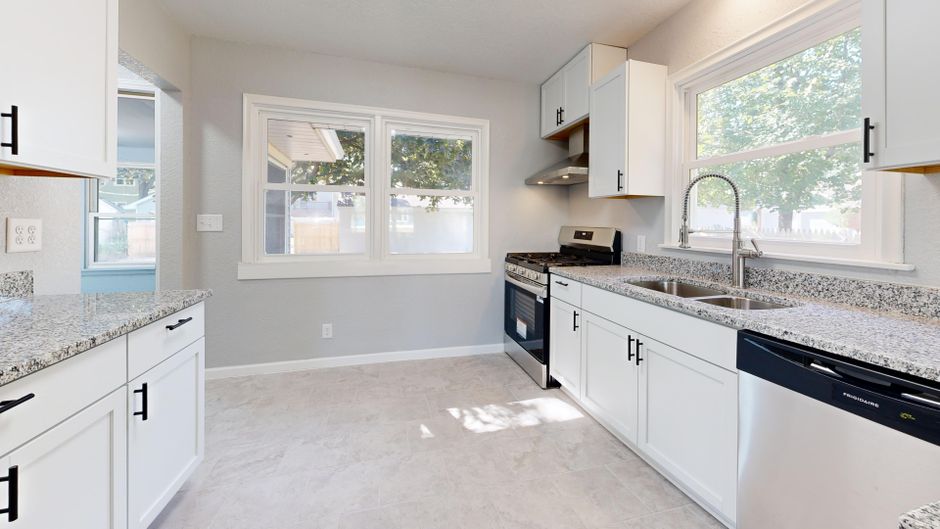
The design-build approach has transformed how modern homes get built, and for good reason. Unlike traditional construction where architects, designers, and builders work separately, design-build brings everyone together from day one. This integrated method creates seamless communication and ensures your vision stays true throughout the entire project.
With traditional construction, you might spend months finalizing designs only to discover costly surprises during construction. A wall needs to move. The HVAC system doesn't fit as planned. Electrical work requires rerouting. Each change triggers change orders, delays, and unexpected expenses. In a design-build model, these issues get caught early because your designer and builder work as one team. They think through the challenges before breaking ground.
Communication improves dramatically. Instead of your architect handing plans to a general contractor who then interprets them, your designer and builder collaborate continuously. Questions get answered immediately. If a material choice affects both aesthetics and structure, that decision happens with both perspectives considered. You're not caught between two teams with different priorities.
Time savings matter more than many homeowners realize. When design and construction happen sequentially, delays in one phase affect everything that follows. A design-build project moves faster because planning and construction preparation happen simultaneously. Your builder can order materials and line up crews while final details get finalized. You move into your modern home sooner.
The financial benefits extend beyond just avoiding change orders. Because one entity manages both design and construction, there's built-in accountability for the budget. Your design-builder has skin in the game—they can't throw expensive designs over the wall to a contractor they don't work with daily. They're invested in making the project efficient. They'll suggest cost-effective materials that still achieve your vision. They'll propose construction sequences that make sense financially and logistically.
Quality control becomes consistent. Your designer knows how the builder executes their plans. Your builder understands the designer's intent and can flag potential issues early. There's no "that's not how we specified it" versus "that's how we interpreted it" arguing after construction starts.
For modern homes, this approach proves especially valuable. Contemporary design demands precise execution—clean lines, perfect finishes, integrated systems. These details require coordination between the creative and technical sides. A single design-build entity ensures nothing gets lost in translation.
Whether you're renovating your kitchen, adding a master suite, or building an addition, the design-build method simplifies your entire experience. You get one point of contact, one budget, one timeline, and one team aligned around making your modern home exactly what you envisioned.