Blog ·
Creating Your Modern Home: Essential Design Considerations
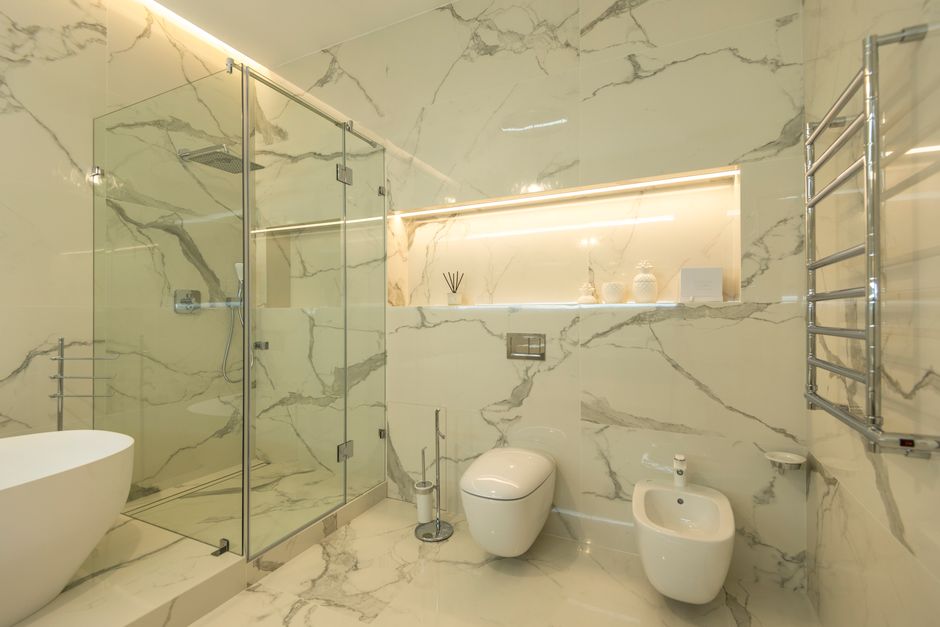
Building a modern home requires thinking beyond aesthetics. Today's homeowners need spaces that work as hard as they look, integrating technology, sustainability, and livable design that actually serves your daily life. Here are the key considerations that separate excellent modern homes from merely contemporary ones.
Light transforms spaces fundamentally. Modern homes benefit from intentional window placement that captures natural light throughout the day, reduces energy costs, and creates visual connection to outdoor spaces. Consider how morning light moves through your kitchen, how afternoon sun affects your home office, and how evening light creates atmosphere in living areas. Strategic window placement accomplishes this without requiring expensive skylights or complex additions.
Flow matters more than square footage. Modern living blurs boundaries between kitchen, dining, and living areas. Open-concept spaces work only when thoughtfully planned. You need visual separation without walls—perhaps a change in flooring material, a shift in ceiling height, or a carefully placed island. These transitions should feel natural, not accidental.
Storage challenges most modern homeowners. Clean lines and minimal visible clutter define contemporary style, but that requires clever storage solutions. Built-in cabinetry, hidden pantries, closet systems, and integrated shelving keep your modern home looking intentional, not sparse. Modern design demands everything has a designated place.
Material selection influences both maintenance and visual impact. Contemporary homes often feature concrete, steel, glass, and natural wood alongside traditional finishes. Some materials require more maintenance than others. A stunning concrete island needs sealing and careful cleaning. Reclaimed wood adds warmth but needs proper finishing. Your design-builder should discuss maintenance implications for every material choice.
Technology integration deserves planning from the start. Modern homes increasingly incorporate smart lighting, climate control, and security systems. Electrical infrastructure, wiring placement, and device locations should be planned architecturally, not added afterward. Planning ahead ensures outlets appear where you need them and technology integrates seamlessly rather than cluttering your countertops and walls.
Outdoor connection enhances modern living. Today's homes often extend into patios, decks, or gardens through large sliding doors, covered porches, or transitional spaces. If outdoor connection matters to you, your design should reflect that from the beginning. Patio orientation, weather protection, and sight lines from indoors all influence whether you'll actually use outdoor spaces regularly.
Energy efficiency shouldn't require sacrifice. Modern construction methods, proper insulation, efficient HVAC systems, and smart material choices reduce utility costs substantially. These systems require coordination during design and construction phases. Your design-builder should integrate efficiency without compromising the clean aesthetics that define modern design.